When you walk through a bookstore or scroll through an online catalog, what makes you pause and pick up a particular book? Often, it’s not the title or author’s name that catches your eye first—it’s the color. Book cover color psychology plays a crucial role in attracting readers and communicating a story’s essence before a single page is turned. Understanding how colors influence our emotions and purchasing decisions has become an essential tool in modern publishing and marketing.
The Science Behind Color and Emotion
Colors trigger immediate psychological responses that bypass our rational thinking. This phenomenon occurs because our brains have evolved to associate certain colors with specific experiences, emotions, and meanings. Red quickens our pulse and signals danger or passion, while blue calms our minds and suggests trustworthiness. These automatic responses make color one of the most powerful tools in reader psychology design.
Publishers and designers leverage this science to create covers that instantly communicate genre, mood, and target audience. A well-chosen color palette can make the difference between a book that sells and one that sits unnoticed on the shelf. This is why understanding emotional color marketing has become increasingly important in the competitive world of publishing.
Genre Color Trends and Reader Expectations
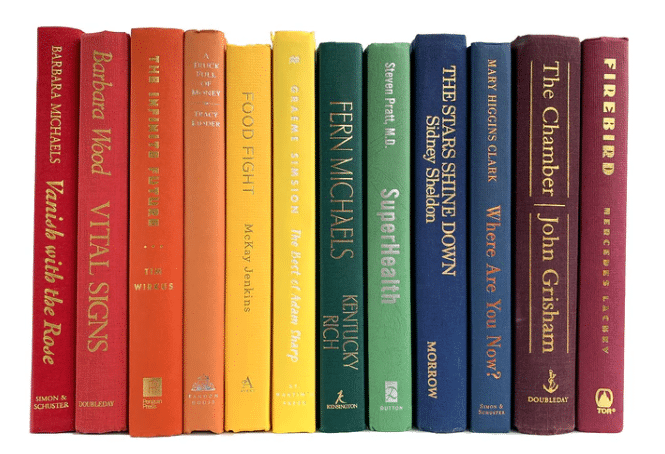
Different book genres have developed distinct color conventions that readers subconsciously recognize and expect. These genre color trends help readers quickly identify books that match their interests, creating a sense of familiarity that encourages purchase.
Romance novels traditionally feature warm colors like deep reds, soft pinks, and golden yellows. These colors evoke feelings of love, passion, and emotional warmth. The consistent use of these hues across the romance genre has trained readers to associate them with love stories, making it easier for new releases to find their target audience.
Mystery and thriller books often employ darker palettes dominated by blacks, deep blues, and blood reds. These colors create an atmosphere of danger, suspense, and intrigue. The psychological impact of these darker tones immediately signals to potential readers that they’re about to embark on a tense, edge-of-your-seat experience.
Science fiction covers frequently showcase cool blues, metallic silvers, and electric greens. These colors suggest technology, the future, and otherworldly experiences. The consistent use of these futuristic hues helps science fiction books stand out in the marketplace while appealing to readers seeking escape into imagined worlds.
Fantasy novels often feature rich purples, mystical greens, and magical golds. These colors evoke a sense of wonder, magic, and adventure. The warm yet mysterious quality of these hues perfectly captures the escapist nature of fantasy literature.

The Emotional Impact of Specific Colors
Each color carries its own emotional weight and psychological associations that skilled designers use to their advantage in book cover color psychology.
Red commands attention and evokes strong emotions. It can represent love, passion, anger, or danger, making it perfect for romance novels, thrillers, or any book dealing with intense human emotions. Red covers literally make readers’ hearts beat faster, creating an immediate physical response that can translate into a purchasing decision.
Blue conveys trust, stability, and calmness. Lighter blues suggest peace and serenity, while deeper blues can indicate depth and mystery. Non-fiction books often use blue to establish credibility and trustworthiness, while literary fiction might employ it to suggest emotional depth.
Green represents nature, growth, and harmony. It’s often used for books about environmental topics, health, or personal development. The color’s association with money also makes it popular for business and finance books.
Yellow radiates optimism, creativity, and energy. It’s frequently chosen for self-help books, children’s literature, and uplifting non-fiction. However, yellow can be challenging to use effectively, as it can also suggest caution or instability if not appropriately balanced.
Purple combines the passion of red with the tranquility of blue, creating a sense of luxury, creativity, and mystery. It’s particularly popular in fantasy and spiritual books, where its mystical qualities align with the themes of the content.
Black and white create dramatic contrast and suggest sophistication, elegance, or stark realism. These colors are often used in literary fiction, memoirs, and serious nonfiction, where the content demands a more refined or somber tone.
Cultural Considerations and Global Markets
Effective color marketing must consider cultural differences in color perception and meaning. What works in Western markets may have entirely different connotations in other cultures. For instance, while white represents purity and new beginnings in Western cultures, it’s associated with mourning in some Eastern cultures.
Publishers targeting global markets must carefully consider these cultural variations when selecting colors for international releases. The same book might receive different colored covers in different regions to ensure the color psychology aligns with local cultural expectations and genre color trends.
Practical Applications for Publishers and Authors
Understanding reader psychology design principles can significantly impact a book’s commercial success. Publishers invest considerable resources in market research to determine which colors will resonate most effectively with their target audience. This research includes analyzing competitor covers, studying sales data, and conducting focus groups to understand reader preferences.
Self-published authors can also benefit from understanding book cover color psychology. By researching successful books in their genre and understanding the emotional associations of different colors, authors can make more informed decisions about their cover designs. This knowledge can help them create covers that not only look professional but also appeal to their intended readership on a psychological level.
The Future of Color Psychology in Book Design
As the publishing industry continues to evolve with digital platforms and changing reader habits, the importance of color psychology in book cover design will only grow. Online retailers display books as small thumbnails, making color even more critical for catching potential readers’ attention in crowded digital marketplaces. Understanding and applying book cover color psychology, color marketing principles, color trends, and reader psychology design concepts can make the difference between a book that succeeds and one that struggles to find its audience. Colors speak a universal language that transcends words, making them one of the most powerful tools in a publisher’s arsenal for connecting books with their perfect readers.